
“Just trying to be healthier.” “I want to lose a little weight.” You’ve probably heard these phrases—or even said them yourself. But here’s the truth: diet culture vs eating disorder is not always a clear-cut line. Dieting might seem harmless, even smart, but sometimes, without realizing it, we cross into something much more dangerous.
As an Eating Disorder Therapist and someone who has worked with individuals navigating food struggles, I want to tell you what I’ve seen time and again: people thinking they’re just dieting, when in fact, they’re suffering silently.
The problem? Diet culture is everywhere. It praises thinness, encourages restrictive food beliefs, and teaches us to ignore our bodies. The pressure to be skinny might start with a diet, but it can quickly turn into disordered eating or a full-blown eating disorder.
Here’s the good news: when you learn to spot the warning signs, you can protect your physical and mental health. And if you already see yourself in these patterns, you’re not alone, and support is out there. Let’s break this down together.
What Is Diet Culture and Why It’s Harmful

Diet culture is more than just the latest trend on TikTok or Instagram. It’s a belief system that ties thinness to health, morality, and success. It tells us that our bodies are projects, always in need of fixing.
We see it in “clean eating” challenges, in meal replacement ads, and even in conversations between friends. It teaches us that foods are either “good” or “bad,” and that our worth depends on what we eat.
According to HopeHealth, the U.S. weight-loss industry was worth over $160 billion in 2024, expected to double in the next decade. With over 300,000 fitness influencers online, diet culture isn’t just popular, it’s profitable.
But here’s the harm: these messages normalize unhealthy habits. Skipping meals, obsessing over calories, cutting out entire food groups. It’s no wonder that 25–30% of dieters go on to develop a full-blown eating disorder.
Understanding Eating Disorders: More Than Just Food Rules

Eating disorders are serious mental and physical illnesses. They’re not choices or phases. They often begin subtly, but their impact is deep, emotionally, psychologically, socially, and physically.
Based on the source from National Library of Medicine, here is the several clinically recognized types of eating disorders:
- Anorexia nervosa: severe food restriction, intense fear of weight gain, and distorted body image.
- Bulimia nervosa: episodes of binge eating followed by compensatory behaviors like vomiting or over-exercising.
- Binge Eating Disorder (BED): frequent binge eating without purging, often followed by distress or shame.
- Avoidant/Restrictive Food Intake Disorder (ARFID): extreme selectivity or fear-based food avoidance, unrelated to body image.
- Other Specified Feeding or Eating Disorders (OSFED): includes serious but atypical patterns, like purging disorder or atypical anorexia.
Symptoms may include:
- Preoccupation with food and body image
- Mood changes, fatigue, trouble concentrating
- Isolation or avoiding meals with others
- Physical signs like hair loss, digestive issues, or always feeling cold
Eating disorders aren’t diets gone too far, they’re medical conditions that require professional care.
Dieting vs Eating Disorder: Key Differences to Know

Understanding the difference between a diet and an eating disorder can be tricky, especially in a culture that glorifies restriction. Here’s what to look for:
How Long It Lasts
Diets are often time-limited. “I’ll cut carbs for a month,” someone says. But an eating disorder doesn’t stop. It continues, regardless of weight loss or goals.
How It Affects Daily Life
When food rules start interfering with your ability to enjoy everyday life, it’s no longer just about eating. Skipping social events because you’re worried about the menu, losing focus at school or work due to constant thoughts about calories, or arguing with loved ones over meals, these are all signs that your eating habits might be crossing into harmful territory.
An eating disorder doesn’t just affect your plate, it affects your entire world.
Mental Preoccupation
Thinking about food all day? Counting calories nonstop? Worrying about what your body looks like every second? That’s not health, that’s “food noise,” a major red flag.
Level of Emotional Distress
Dieting might feel inconvenient. Eating disorders feel terrifying. Breaking a food rule can cause panic, guilt, or shame. It’s not about wanting to eat a salad, it’s about feeling like you have to, or else.
Choice vs Compulsion
Diets are usually entered voluntarily. With eating disorders, people often say, “I don’t feel like I have control anymore.” The illness is in charge.
How Diet Culture Can Trigger Eating Disorders

Many eating disorders begin as diets. What might start as tracking calories, stepping on the scale more often, or cutting back on certain foods can slowly turn into something much more serious. Restrictive eating, especially when it becomes rigid or obsessive, can increase the risk of developing disordered behaviors, often without the person realizing how far it’s gone until it feels impossible to stop.
In one example, a girl began dieting at age 9 after being told she was “overweight.” By 15, she was hospitalized for anorexia. She thought she was just “being healthy.” That’s how sneaky diet culture is.
For teens especially, dieting is one of the strongest predictors of future eating disorders. Just one restrictive diet can raise the risk fivefold.
And even if someone doesn’t develop a clinical eating disorder, chronic dieting can still:
- Cause nutrient deficiencies
- Lead to irritability and brain fog
- Trigger binge eating and feelings of failure
- Mess with metabolism, digestion, and hormone levels
In short: dieting is never as safe as it seems.
Disordered Eating: The Gray Area in Between
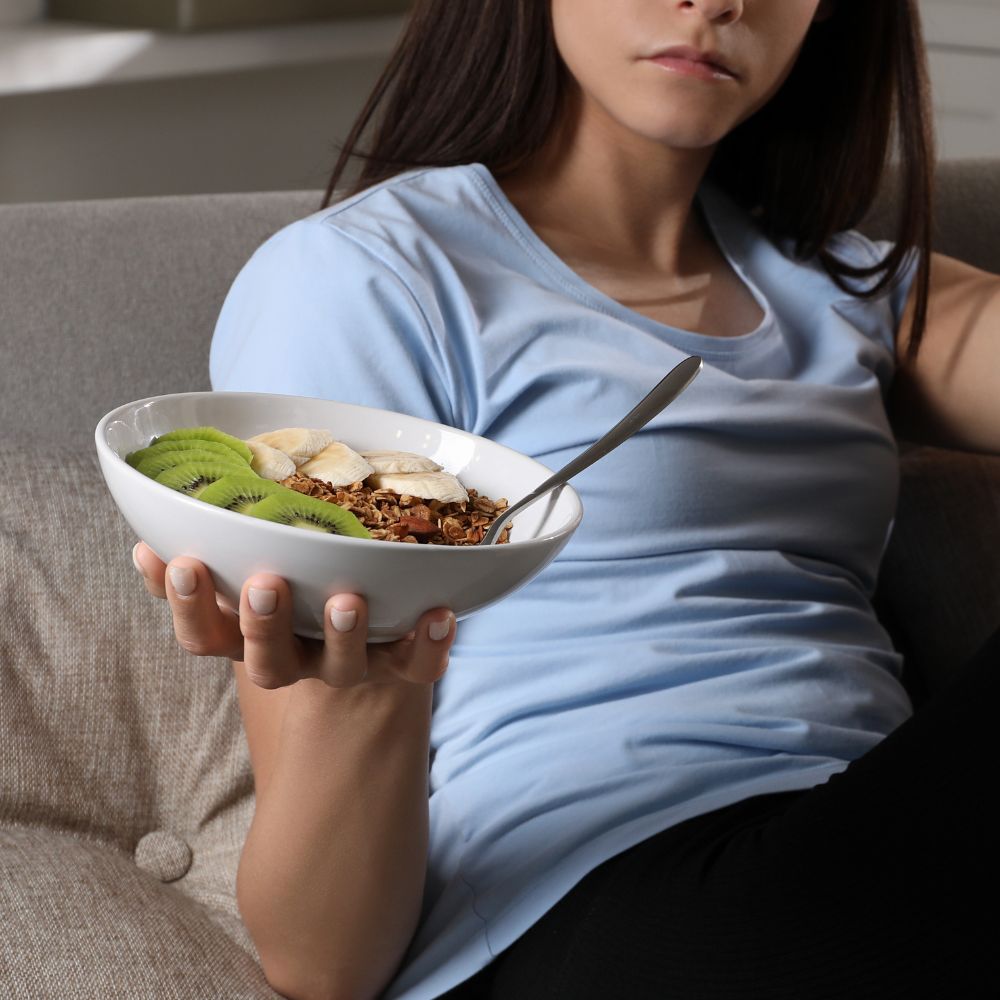
Not everyone with harmful food behaviors has an eating disorder, but they may still be struggling. This middle ground is called disordered eating.
Examples include:
- Skipping meals regularly
- Exercising only to “earn” food
- Feeling guilt after eating
- Constantly starting new “cleanses”
- Following rigid food rules that cause stress
These patterns may not meet diagnostic criteria, but they can still affect health, mood, and life. And they can easily escalate.
If food controls your day or your self-worth is tied to your size, that’s a signal to get support.
Is Dieting Ever Healthy? A Realistic Perspective

Some people ask, “Isn’t it okay to lose weight if I need to?” And the answer is: it depends.
If someone cuts out gluten because of celiac disease or avoids dairy because of lactose intolerance, that’s not disordered. That’s responding to a medical need.
But when eating is about chasing thinness, ignoring hunger, or forcing your body to shrink, that’s a problem.
Any plan that promotes extreme restriction, food fear, or shame isn’t healthy, even if it’s labeled “wellness.”
Ask yourself:
- Does this way of eating feel flexible?
- Does it allow me to enjoy meals and be social?
- Am I eating enough to fuel my body?
If the answer is no, it’s worth reconsidering. Health isn’t a size, it’s a state of balance.
When to Seek Help: Warning Signs to Watch

Recognizing the signs and stages early makes a big difference. Here are some signals that your diet might not be just a diet:
- Constant thoughts about food, weight, or exercise
- Strict rules about what or when you can eat
- Fear, guilt, or shame after eating
- Avoiding events that involve food
- Needing to “burn off” every calorie
- Physical signs: hair thinning, digestive problems, fatigue
If any of these feel familiar, talk to someone you trust. Consider seeing an eating disorder therapist, dietitian, or mental health professional.
You don’t have to wait until it gets worse. Support works best when it’s early.
Know the Line, Protect Your Health
Diet culture often disguises itself as wellness, but its messages can lead to disordered eating and serious health concerns. Knowing when a diet becomes harmful is key to protecting your physical and emotional well-being.
If you’re unsure, don’t wait. Reach out today. Early support makes all the difference.
Frequently Asked Questions
How do I know if my diet has become disordered eating?
If your eating habits feel restrictive, rule-based, or cause stress, it may be more than just a diet. Warning signs include food guilt, obsessing over weight, skipping meals, and avoiding social situations. If eating feels mentally exhausting, it’s time to seek support from a trusted professional.
What are examples of diet culture in everyday life?
Diet culture shows up in praise for weight loss, labeling foods as “good” or “bad,” or the belief that thinness equals health. It’s present in casual comments, fitness marketing, and even school programs. These messages often normalize restriction and can lead to harmful food relationships over time.
Can you have an eating disorder without being underweight?
Yes. Eating disorders affect people at all body sizes. Many individuals with bulimia, binge eating disorder, or OSFED may appear to have a “normal” weight. Diagnosis isn’t based on size—it’s based on behaviors, thoughts, and emotional distress. Anyone struggling with food deserves support and care.
Is counting calories a form of disordered eating?
Counting calories isn’t always disordered, but it becomes concerning when it leads to obsession, anxiety, or rigid rules. If your self-worth depends on meeting a number, or if it causes guilt when not met, it may signal disordered eating. Listening to hunger cues is often a healthier approach.
What should I do if I think my child has an eating disorder?
Start by observing changes in mood, behavior, and eating habits. Speak with them calmly and without judgment. Early intervention matters, reach out to a pediatrician, counselor, or registered dietitian experienced in eating disorders. Supportive conversations and professional guidance can make a meaningful difference in recovery outcomes.