


It can feel like the world is falling apart. One tragic headline after another, images of pain, stories of loss, sometimes it all becomes too much. You may feel sadness, confusion, helplessness, or even guilt for feeling affected when you’re not directly involved. But your feelings are valid.
Coping with tragic world events isn’t just about tuning it out or “staying strong.” When the weight of what’s happening lingers in your body or mind, it’s okay to ask yourself: Should you go to therapy? If you’ve ever wondered, “Is it normal to feel this way after something awful happens?”, this guide is here to help.
Understanding Traumatic Events and Their Impact
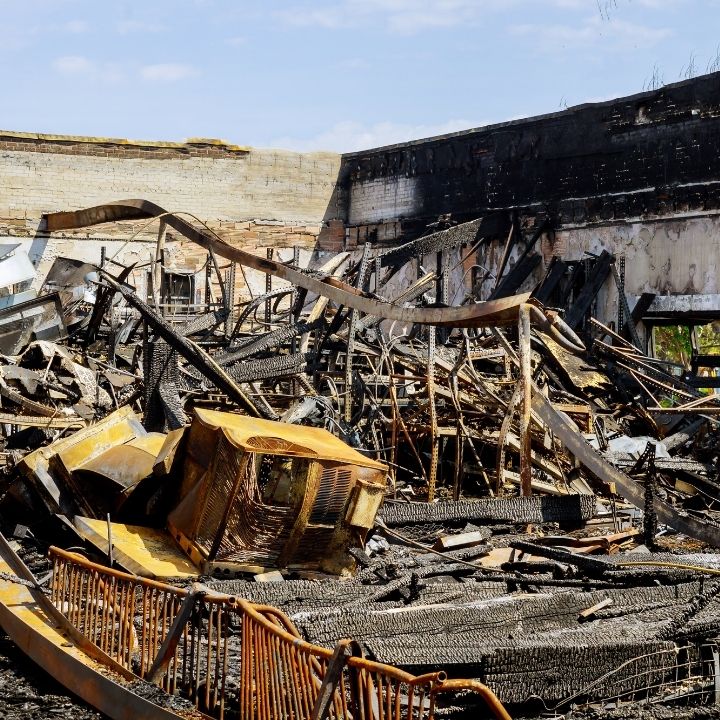
What Counts as a Traumatic Event?
According to research, a traumatic event can overwhelm your sense of safety, and even witnessing or hearing about tragic events can impact your emotions While trauma is often thought of as something experienced directly, like a car accident, abuse, or loss, trauma can also be vicarious. This means even witnessing or hearing about tragic world events can impact you emotionally.
How These Events Affect Emotional Well-being
- You may experience hypervigilance (feeling “on edge”)
- Trouble sleeping or intense dreams
- Emotional numbness
- Sudden waves of sadness, fear, or anger
- Intrusive thoughts or constant worry
These reactions are your body’s natural response to overwhelming input.
What Is Post-Traumatic Stress?
Some people may experience post-traumatic stress, which can include nightmares, avoidance, flashbacks, and difficulty managing emotions. You don’t have to have a formal PTSD diagnosis for your emotional response to be real and valid.
Direct vs. Vicarious Trauma
Direct trauma happens when you experience a harmful event yourself. Vicarious trauma occurs when you witness or hear about trauma happening to others, often through the news or social media. Repeated exposure to others’ pain can weigh heavily, especially when it mirrors your fears or past experiences. Both forms of trauma are real and deserving of care.
Physical and Cognitive Reactions to Trauma
Trauma doesn’t just live in the mind, it shows up in the body. You may feel restless, tense, fatigued, or even physically ill without knowing why. Difficulty concentrating, intrusive thoughts, or forgetfulness are also common. These are all signs your brain is on high alert, trying to protect you from further harm.
How Tragic World Events Affect Mental Health

Emotional Reactions That May Arise
When a tragedy occurs, people often experience a wide range of emotional responses:
- Anxiety about safety
- Grief for lives lost
- Anger at injustice
- Hopelessness about change
- Guilt for being unaffected directly
- Overwhelm from constant exposure to distressing information
These emotional shifts are not signs of weakness, they’re signs that your mind and heart are responding in deeply human ways.
When Reactions Turn Into Mental Health Concerns
Some mental illnesses can be triggered or intensified by ongoing exposure to traumatic news. Conditions such as depression, panic attacks, generalized anxiety, or trauma responses may surface or worsen. Even without a formal diagnosis, persistent emotional distress can interfere with your ability to function, focus, or feel connected to yourself and others.
Monitoring Your Mental Well-being
Not all signs of emotional distress are loud. You might slowly stop answering texts, struggle to get out of bed, or lose interest in things you used to enjoy. Subtle shifts in your routine or energy levels are worth noticing. Checking in with your emotions regularly is an important step in protecting your mental health.
Why the News Can Be So Triggering
The human brain is wired for survival. When you read or hear about danger, even secondhand, your nervous system often reacts as if the threat is immediate. Constant headlines about violence or loss can keep your stress response active, leaving you feeling tense, overwhelmed, or even helpless, without understanding why.
The Impact of Repeated Exposure
Traumatic events don’t have to happen directly to affect your body and mind. When exposure to traumatic events is frequent, especially through 24/7 media, it can wear down your resilience. Over time, this can lead to emotional exhaustion, burnout, or a sense of emotional shutdown as your system tries to self-protect.
Feeling Helpless or Guilty Is Normal
You might ask yourself, “Why do I get to be safe?” or “Am I doing enough?” after seeing others in crisis. These feelings of guilt or helplessness are common reactions to tragedy and injustice. It’s okay to hold space for both your safety and your sorrow, and therapy can help you process both.
Physical Signs of Emotional Overload
Sometimes, emotional distress shows up as physical discomfort. You may experience headaches, body tension, stomach issues, or fatigue. These symptoms are real and valid. Your body often speaks when your emotions feel too big to express. If your physical symptoms persist, it could be time to explore therapeutic support.
Difficulty Focusing or Feeling Present
It’s not unusual to feel distracted, foggy, or disconnected after distressing news. You might zone out during conversations, forget things more easily, or feel like you’re running on autopilot. These signs often reflect a nervous system under stress, trying to manage more than it was meant to handle alone.
Loss of Control Over Your Thoughts
After experiencing or witnessing traumatic material, intrusive thoughts can become harder to manage. You may replay an image or scenario repeatedly, or imagine “what if” outcomes that are frightening. This can heighten anxiety and make it hard to relax. Learning grounding techniques and practicing mindful awareness can help regulate these thought patterns.
Changes in Your Social Habits
Tragic world events can cause people to pull away from others or feel disconnected from their usual support systems. You might avoid social gatherings, feel irritated by small talk, or struggle to engage in your relationships. Therapy offers a space to explore why you’re withdrawing and how to reconnect safely.
Signs You May Need Mental Health Support Care

When to Consider Therapy
While it’s normal to feel shaken after reading the news, here are signs that therapy may help:
- Constant worrying or racing thoughts
- Difficulty functioning at school or work
- Emotional numbing or detachment
- Trouble sleeping for days or weeks
- Panic symptoms (tight chest, shallow breath)
- Intrusive memories or thoughts
- Avoidance of conversations or media
If you’re experiencing these symptoms, therapy can help.
Differentiating Between Expected and Concerning Reactions
It’s okay to feel upset. But when reactions don’t ease with time or begin to disrupt your ability to live fully, that’s a clear sign it may be time to seek support care from a licensed professional.
Support for Trauma and Anxiety
According to a study, anxiety frequently co-occurs with trauma, with symptoms like hypervigilance and restlessness. Therapy helps manage triggers and stress. Anxiety and trauma often overlap, especially after distressing experiences. It’s common to feel tense, restless, or constantly on alert, even when you’re safe. Therapy can help you understand how trauma affects the body and mind, identify triggers, and learn healthy ways to manage fear and stress over time.
Benefits of Therapy After Traumatic Events

1. A Safe, Private Space to Feel and Heal
Therapy offers a confidential, judgment-free space to express what’s weighing on you, without having to justify your emotions. If you’re feeling overwhelmed, numb, or unsure, therapy meets you where you are. You don’t need to have all the answers. You just need a space where you’re allowed to feel and be heard.
2. Understanding Your Stress Response
Trauma affects your body just as much as your thoughts. In therapy, you’ll learn why you may feel on edge, disconnected, or overly alert. Understanding how your nervous system reacts to trauma helps you stop blaming yourself and start making sense of your emotional and physical experiences in a compassionate way.
3. Learning Grounding and Coping Tools
Therapy gives you practical tools to help calm your mind and body in real time. This might include grounding techniques, breathing exercises, or mindfulness strategies. These simple practices can help you feel more centered during moments of distress or anxiety, and allow you to regain a sense of control over your day.
4. Processing Difficult Emotions
Many people carry around unspoken guilt, grief, anger, or fear after traumatic events. Therapy helps you name those emotions and work through them in a healthy way. Instead of pushing feelings down or avoiding them, therapy encourages gentle exploration so you can find emotional release and long-term healing.
5. Developing Emotional Regulation Skills
One key goal of trauma-informed therapy is helping you manage big feelings without becoming overwhelmed. You’ll build skills to pause, check in with your emotions, and respond with intention rather than reactivity. Over time, this emotional awareness supports a greater sense of calm, stability, and connection with yourself and others.
6. Rebuilding a Sense of Hope and Safety
Trauma can make the world feel unsafe or unpredictable. Therapy works to rebuild trust, in your environment, your relationships, and in yourself. With support, many clients rediscover a sense of purpose and hope. You may not erase the pain, but therapy can help you reclaim peace and possibility.
7. Evidence-Based Approaches That Work
We use methods that are backed by clinical research and tailored to your needs:
- Cognitive Behavioral Therapy (CBT) helps shift unhelpful thinking patterns that fuel distress.
- Dialectical Behavior Therapy (DBT) strengthens emotion regulation and distress tolerance.
- EMDR (Eye Movement Desensitization and Reprocessing) helps process traumatic memories without reliving them.
- Mindfulness practices teach you to stay present and grounded, even in difficult moments.
Therapy Options for Coping with Trauma

Individual Therapy
One-on-one sessions are tailored to your unique needs. We focus on what you’re feeling, how it’s affecting you, and what helps you feel safe and grounded.
Group and Family Therapy
Processing trauma doesn’t always have to happen alone. Group and family therapy options help build shared understanding, support systems, and healing connections.
Teletherapy and In-Person Options
Some people feel more at ease talking from the comfort of home. Others prefer being in the same room with their therapist. Both teletherapy and in-person sessions can offer meaningful support, it just depends on what feels right for you. We provide both options so you can choose what best fits your needs and comfort level.
How Therapy Supports Mental Health Recovery

Reclaiming Safety and Resilience
Therapy helps rebuild a sense of internal stability after external chaos. It teaches you how to handle triggers and develop a new relationship with fear and uncertainty.
How We Support Your Healing
- Identifying personal strengths
- Setting boundaries with media or conversations
- Regulating emotional highs and lows
- Creating a daily plan for stability and self-care
- Building long-term strategies for emotional resilience
Coping Strategies Beyond Therapy

While therapy is powerful, there are small, daily steps that support your emotional health:
Grounding Techniques
When emotions feel overwhelming or your mind is racing, grounding helps bring you back into the present moment. These simple sensory-based exercises can calm the nervous system and help you feel more anchored.
- 5-4-3-2-1: Name five things you see, four you can touch, three you hear, two you smell, and one you taste.
- Focused breathing: Try box breathing (in for 4, hold for 4, out for 4, hold for 4) or the 4-7-8 technique to slow your breath and ease tension.
Limit News Exposure
Staying informed is important, but constant exposure to distressing news can take a toll on your mental health. Creating gentle boundaries around media can reduce anxiety and emotional fatigue.
- Choose one time a day to check updates, rather than throughout the day.
- Avoid doomscrolling before bed to support restful sleep and reduce late-night stress.
Practice Mindfulness
Mindfulness is about noticing what’s happening in your body and environment without judgment. It helps you slow down, reconnect, and respond with intention rather than overwhelm.
- Gentle stretching or yoga helps you reconnect with your body.
- Journaling or expressive writing can help organize emotions and thoughts.
- Creative activities like coloring or hands-on work provide calming focus.
Stay Connected
Isolation can deepen distress. Even small moments of connection can remind you that you’re not alone, and can restore a sense of meaning and belonging.
- Talk to a trusted friend or family member about how you’re feeling.
- Join a local or online community that shares your interests or values.
- Engage in acts of kindness or volunteer work to feel connected and purposeful.
The Role of Family and Support Systems

Why Support Systems Matter in Recovery
Healing doesn’t happen in isolation. Family members, friends, and trusted loved ones play a critical role in recovery from trauma. Their consistent support can reduce feelings of shame, isolation, or fear. When someone feels emotionally safe in their relationships, it helps reinforce the progress they’re making in therapy and overall mental health.
How Loved Ones Can Help
If someone you care about is struggling with trauma, the most powerful thing you can do is simply be there. That includes:
- Validating their feelings
- Listening without trying to “fix” it
- Avoiding phrases like “just move on”
- Being patient with their healing timeline
You don’t need to have all the answers, you just need to show up with compassion.
Encouraging Therapy Without Pressure
Bringing up therapy to a loved one can feel tricky. Instead of pushing, try saying, “Have you ever thought about talking to someone about this?” or “I can help you find someone to talk to if you’d like.” A gentle, open-ended approach respects their autonomy while showing you care about their well-being.
Helping With the Logistics of Getting Care
Sometimes, the hardest part of seeking mental health care is getting started. You can offer support by:
- Helping find a therapist
- Offering to drive them to appointments
- Assisting with forms or scheduling
- Checking in after sessions
These small actions can remove barriers and show that they’re not alone in the process.
Caring for Yourself While Supporting Others
Supporting someone through trauma can be emotionally taxing. It’s important to take care of your own mental and emotional health, too. Make space for your own feelings, set boundaries if needed, and consider speaking with a therapist yourself. You can’t pour from an empty cup, your wellbeing matters, too.
Special Considerations for Student Health

Students may not have the tools to make sense of tragedy, especially when still developing emotionally. The constant stream of social media and school-related pressures can make coping harder.
Why Students May Struggle With Tragic Events
Students are still developing emotionally, socially, and neurologically. They may not yet have the tools to process heavy topics like violence, injustice, or disaster. When a tragedy hits, locally or globally, it can deeply affect their sense of safety and belonging. Without proper emotional outlets, these experiences can harm long-term mental health.
Mental Health in Academic Settings
College and high school environments often demand constant performance, even when students are struggling internally. Add in social media exposure, academic pressure, and disrupted routines, and it’s no surprise students feel overwhelmed. Virtual classes and dorm life can also increase isolation, making it harder for students to reach out or feel supported.
How Therapy Can Support Students
Therapy offers students a confidential space to process emotions without judgment. It can help with anxiety, grief, identity struggles, and trauma responses. If it’s short-term support during a crisis or ongoing care for deeper concerns, therapy plays a vital role in protecting student health, supporting both academic performance and emotional wellbeing.
Understanding Anxiety and Trauma Disorders

What Are Trauma-Related Disorders?
Trauma PTSD and anxiety disorders are mental disorders that can occur after exposure to emotionally disturbing experiences. These may develop over time or surface after a single triggering moment.
Symptoms May Include:
- Nightmares or flashbacks
- Avoidance of people or situations
- Mood swings or irritability
- Chronic tension or emotional shutdown
How Therapy Helps
Therapy addresses these symptoms by helping you understand your body’s reaction and teaching ways to respond differently to those emotional and physical cues.
Managing Symptoms of Traumatic Stress

Symptoms of traumatic stress might include restlessness, emotional flooding, or feeling disconnected from reality. You’re not imagining it, your brain is responding to a perceived threat.
Things You Can Do:
- Cold water on your face
- Deep pressure (weighted blanket, firm hug)
- Name your emotions out loud
- Visualization or grounding statements
If symptoms persist, seeking therapy is a healthy and proactive choice.
When Is It Time to Seek Therapy?

If you’re asking this question, it might already be time.
Clear Signs Therapy May Help:
- You’ve felt “off” for more than two weeks
- You’re withdrawing or isolating more
- Your sleep, eating, or focus are impacted
- You feel numb, stuck, or overwhelmed
- You’re not sure how to feel better on your own
Early support helps you regain control before distress deepens.
How to Find the Right Therapist for You

Finding a therapist can feel intimidating, especially when you’re already emotionally overwhelmed. But choosing someone who truly understands and supports you can make a meaningful difference in your healing process. The right fit matters, and you deserve to feel safe, respected, and understood.
What to Look For:
When searching for a therapist, consider qualities that go beyond credentials:
- Experience with trauma-informed care: Look for someone trained to understand the impact of trauma and create a space that feels emotionally safe.
- A sense of comfort and connection: You should feel seen, not judged. A good therapeutic relationship is built on trust, not pressure.
- Flexibility in how sessions are offered: Some people feel best meeting in person, while others need the privacy and accessibility of telehealth. A therapist who offers both can support what works best for you.
You may not find the perfect fit right away, and that’s okay. It’s okay to ask questions, request a consultation, or try a few sessions before deciding.
You Deserve Support That Feels Safe
The emotional impact of tragic world events can quietly build up, leaving you feeling anxious, stuck, or simply not like yourself. Even if you’re just “getting through the day,” the heaviness you’re carrying deserves attention. Your mental health matters, and there’s no shame in needing support when things feel too much. You don’t have to wait until you’re at a breaking point to ask for help.
Jenny Wegner Therapy offers a safe, non-judgmental space where you can show up exactly as you are. Talking things through can bring relief, clarity, and comfort, one step at a time. Sessions are available in Denver or from the comfort of your home through secure virtual therapy across Colorado. Book a consultation today to get the support you deserve.
Frequently Asked Questions
Is it normal to feel guilty when I’m not directly affected?
Absolutely. Many people experience guilt after a tragedy, especially if they’re safe while others suffer. This is a human response and doesn’t mean something is wrong with you. Acknowledging your feelings and seeking emotional support, such as therapy, can help you process this in a compassionate, healthy way.
How do I know if I need therapy for mental health issues after a tragedy?
If your emotions are persistent, overwhelming, or interfering with daily life, therapy may be a helpful next step. Common signs include sleep issues, anxiety, sadness, or withdrawing from others. Talking to a professional can improve your mental health and help you understand what you’re experiencing.
What type of therapy is best for trauma from tragic world events?
Therapies like Cognitive Behavioral Therapy (CBT), EMDR, and mindfulness-based approaches are highly effective for trauma. A licensed therapist can tailor treatment to your specific needs. If tragic events have shaken your sense of safety or wellbeing, therapy can help you restore emotional balance and protect your mental health
What are common mental illnesses that can develop after traumatic events?
Traumatic experiences can trigger or worsen mental illnesses like depression, anxiety disorders, PTSD, or adjustment disorders. Even if you’ve never struggled with mental health before, it’s possible to develop symptoms after distressing events. Therapy can help identify what you’re feeling and provide tools to support your healing and recovery.