

Halloween is often a time of fun, creativity, and community. Yet for those navigating Halloween with an eating disorder, this festive season can also bring feelings of anxiety, triggers, and uncertainty. If you’re on a recovery journey or managing an eating disorder, remember that you can still enjoy the holiday in ways that honor your well-being and personal boundaries.
With thoughtful planning, self-compassion, and mindful choices, this holiday can become an opportunity for self-empowerment rather than stress. Here are some gentle, practical tips on navigating Halloween with an eating disorder, grounded in empathy and encouragement.
Understanding the Challenges of Halloween with an Eating Disorder
Halloween’s focus on candy, treats, and food-centered gatherings can feel especially overwhelming for those in recovery. It’s common to face emotional and psychological triggers during this time, such as guilt about eating certain foods, anxiety about being judged, or fear of losing control. According to the Cleveland Clinic, people with eating disorders may feel guilt, shame, anxiety, and loss of control in relation to food and eating. Recognizing these challenges is the first step in creating a supportive plan that helps you move through the holiday with greater balance, compassion, and confidence.
Candy, costumes, and social events often emphasize food and body image, which can exacerbate existing struggles. The holiday’s emphasis on “forbidden foods” reinforces harmful mentalities like “good” versus “bad” foods, making it feel impossible to partake without guilt. Moreover, social expectations and peer pressure can heighten stress, especially if you feel scrutinized or compared.
Despite these challenges, it’s important to approach Halloween with kindness toward yourself. Preparation and a strong support system, including friends, family, or therapists, can be powerful allies in maintaining your mental health and recovery goals during this season.
Setting Realistic Expectations for Halloween
Before joining Halloween festivities, allow yourself to set boundaries and manage expectations. It’s completely fine to choose what feels right for you, attending a small gathering, staying home, or simply taking part in certain parts of the celebration.
Giving yourself permission to say “no” and setting clear boundaries is essential. You don’t have to eat candy, join every event, or participate in situations that feel unsafe or triggering. It’s just as important to prioritize your mental health and recovery needs, even if that means declining invitations.
Accept all your emotions, from excitement to fear or discomfort. Every feeling is valid and part of your healing process. According to Healthline, learning to accept every emotion, including those you might label as “negative,” is a key part of healthy emotional regulation. Some moments may feel easier than others, and that’s perfectly okay. Try engaging in activities not centered on food, like making costumes, decorating your space, or starting a creative project, to shift your focus toward self-expression and genuine enjoyment.
Practical Tips for Managing Food-Related Triggers
One of the most significant worries during Halloween is handling candy and treats that may trigger disordered thoughts. Here are some mindful strategies:
1. Practice Mindful Eating
Instead of mindlessly snacking or restricting, savor each bite, paying attention to flavors, textures, and fullness cues. This practice helps you reconnect with your body’s natural signals and reduces guilt.
2. Reframe Your Mindset
Avoid labeling Halloween treats as “bad” foods. Embrace a balanced approach by viewing treats as part of a normal, flexible relationship with food. Remember that enjoying occasional treats does not compromise your recovery, it’s about forming a healthy, sustainable relationship with food.
3. Plan Your Meals
Avoid excessive hunger by planning nutritious meals and snacks leading up to the holiday. When your hunger is managed, the temptation or compulsion to binge or restrict may lessen.
4. Handle Candy With Care
If you’re at a social gathering, decide beforehand what treats you’ll enjoy and in what quantities. Alternatively, keeping treats at bay at home, distributing them in manageable portions or sharing with friends and family can help reduce temptation and guilt.
Coping Mechanisms for Anxiety and Stress Around Halloween

Halloween can provoke feelings of anxiety, especially when faced with potential triggers. To stay grounded and calm:
- Engage in self-care: Deep breathing, journaling, walking, or listening to calming music are simple ways to nurture your well-being during stressful times. These small acts of care can calm your mind, relax your body, and help you feel more grounded and supported.
- Use grounding techniques: Focus on the present moment by noticing your surroundings, what you see, hear, or feel. Grounding helps reduce overwhelming emotions and keeps you in control.
- Reach out for support: Connecting with a trusted friend, family member, or therapist can provide reassurance and validation. Remember, you don’t have to navigate your emotions alone.
Navigating Social Situations During Halloween
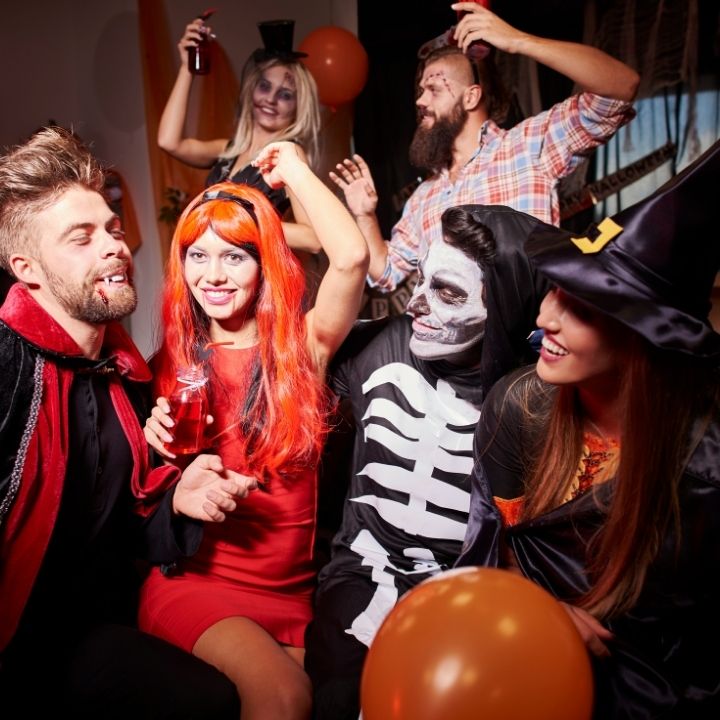
Social events and trick-or-treating can sometimes feel like a minefield of triggers, but they can also hold space for genuine connection and joy. Bringing a support buddy who understands your recovery journey can make a world of difference, they can offer quiet encouragement, help distract from anxious thoughts, or simply be a comforting presence when things feel overwhelming.
It also helps to communicate your needs openly with friends and family. You might say something like, “I’m focusing on enjoying the costumes and company this year,” or “I’d prefer to skip the candy spotlight.” Honest communication sets expectations and reduces pressure.
Finally, try to participate in activities that don’t center on food, such as decorating pumpkins, watching spooky movies, or joining a costume contest. These experiences create opportunities for laughter, creativity, and belonging, without reinforcing food-related stress.
Costume Choices and Body Image Concerns

Your costume can be a source of confidence or anxiety. Here are some tips to enjoy dressing up:
Dress for Comfort and Confidence
Choose costumes that make you feel comfortable and confident, from a simple outfit to something creative and expressive. Focus on what truly brings you happiness instead of trying to meet social or body image expectations. Feeling good in what you wear is what matters most.
Avoid Comparisons
Negative self-talk is common during holidays, but remind yourself of your worth beyond your appearance. Celebrate your creativity in costume design or your enthusiasm for the holiday.
Keep it Simple
Sometimes, less really is more. A few playful accessories or a touch of makeup can bring your outfit to life without adding stress or pressure. Focus on having fun and expressing yourself in a way that feels easy and comfortable.
Creating a Personal Halloween Recovery Plan

Preparation is key. Reflect on your triggers and develop a plan:
- Identify warning signs of disordered thoughts or feelings.
- Set achievable goals, such as attending one social event without overindulging.
- Plan post-Halloween self-care routines, journaling, talking to a therapist, or engaging in a relaxing activity, to process your experience gently.
By setting these personal goals, you’re reinforcing your commitment to recovery while still making space for enjoyment and connection.
Finding Balance and Joy This Halloween
Navigating Halloween with an eating disorder may seem daunting, but it is entirely possible to enjoy the holiday with compassion and boundaries. Remember to be kind to yourself, set realistic expectations, and prioritize your well-being. Halloween can be a time of creativity and community, experiences that can support your journey of recovery. Embrace your progress, honor your feelings, and take small, empowering steps toward making this season meaningful and safe.
If you find yourself struggling or feeling overwhelmed, reach out for professional support. You are not alone, and your recovery is worth every effort. Here’s to a safe, joyful Halloween tailored to your needs and well-being.
Frequently Asked Questions
Why is Halloween especially challenging for people with eating disorders?
Halloween often centers on candy, food, and social gatherings, which can trigger anxiety, guilt, or disordered thoughts around eating. The focus on costumes and appearance can also intensify body image concerns. Recognizing these triggers early allows you to create a self-care plan and approach the holiday more calmly.
How can I enjoy Halloween without feeling pressured to eat candy or join food-centered activities?
You can celebrate Halloween in ways that align with your comfort. Try non-food activities like decorating pumpkins, watching movies, or hosting a costume night. It’s perfectly okay to skip events that feel triggering and instead focus on creative, joyful experiences that support your recovery and emotional balance.
What should I do if I feel anxious or overwhelmed during a Halloween event?
Pause and use grounding techniques like slow breathing, naming five things you see, or stepping outside for fresh air. Reach out to a trusted friend, family member, or therapist for support. Remember, taking breaks or leaving early is not a weakness, it’s prioritizing your mental health and recovery.
How can I handle comments about food, body, or appearance during Halloween?
Prepare short, assertive responses such as, “I’m focusing on enjoying the evening,” or simply change the subject. You can also walk away from uncomfortable conversations. Setting boundaries protects your emotional well-being and reinforces your recovery goals while keeping social interactions positive and manageable.
What are some ways to plan a recovery-safe Halloween?
Plan ahead by identifying triggers, setting intentions, and choosing activities that make you feel safe and happy. Keep regular meals, avoid restriction, and schedule self-care time afterward. Surround yourself with supportive people and remember, you have full permission to celebrate Halloween your way, without pressure or guilt.