

Eating disorders for athletes are an important health issue that can severely impact both their physical well-being and athletic performance. Due to the pressures of competition, body image, and weight management, athletes face a higher risk of developing conditions such as anorexia, bulimia, and binge eating disorder.
Raising awareness and prioritizing early intervention can make a life-changing difference. This article aims to provide practical, clinically informed tips for navigating eating disorders for athletes, offering guidance to athletes themselves, as well as coaches, families, and support systems.
What Are Eating Disorders in Athletes?
Eating disorders are complex mental health conditions involving unhealthy relationships with food and body image. Common types include anorexia nervosa, bulimia nervosa, binge eating disorder, and other specified feeding or eating disorders (OSFED). Athletes encounter sport-specific challenges that increase their risk, such as weight categories, aesthetic sports demands, and intense pressure to excel physically.
According to studies, eating disorder prevalence among female athletes ranges from 6% to 45%, and among males, 0% to 19%, with especially high rates in sports like gymnastics, wrestling, and dancing. Understanding these risks is vital to prevention and early intervention.
Signs and Symptoms to Watch For

Recognizing early warning signs of eating disorders requires attention to physical, behavioral, and psychological indicators.
Physical Warning Signs in Athletes
Athletes may show unexplained weight fluctuations, persistent fatigue, frequent injuries, delayed recovery, or disrupted menstrual cycles (in females). Because high training loads often mask issues, noticing physical changes that deviate from typical sport demands is key to early detection.
Behavioural Red Flags for Athletes with Eating Disorders
Behaviours such as skipping team meals, rigid food rules, secretive bingeing or purging, excessive training beyond normal demands, and fixation on weight or calories are crucial red flags. These actions may seem logical in sports culture, but warrant concern when persistent.
Emotional & Psychological Indicators in Athletic Settings
Signs include intense anxiety around eating or performance, body dissatisfaction, perfectionistic tendencies, mood swings, and withdrawal from teammates or social activities. In the context of sport, internal pressure to “perform” or look a certain way can fuel these emotional markers.
Nutritional Support and Education

Nutrition plays a important role in both recovery and performance. Working with a sports dietitian experienced in eating disorders helps athletes meet energy needs safely while restoring balance with food. Personalized meal plans support training goals, hormonal health, and recovery. Education corrects harmful diet myths and encourages consistent, flexible fueling using all food groups.
By learning to nourish their bodies instead of restricting them, athletes regain energy, prevent injuries, and rebuild trust in food, supporting long-term health, confidence, and sustainable athletic performance.
Managing Training Load During Recovery
During recovery, managing exercise intensity is crucial. Overtraining can hinder healing, so athletes benefit from structured plans developed with coaches, therapists, and medical professionals. Gradual reintroduction of physical activity allows the body to rebuild strength and stability without relapse risk.
Rest and lighter sessions are not weaknesses, they’re recovery tools. Balancing movement with proper nutrition and mental support promotes lasting progress, helping athletes return to sport with renewed resilience and a healthier mindset toward performance and self-care.
Creating a Supportive Sport Environment

A supportive sports culture protects both physical and emotional well-being. Coaches and teams should actively challenge body shaming, strict diet culture, and appearance-based praise. Education in nutrition and mental health fosters understanding and compassion. Open communication encourages athletes to share struggles early, reducing stigma around seeking help.
When teams prioritize wellness, rest, and inclusivity alongside achievement, athletes feel valued for who they are, not how they look, creating environments that nurture confidence, balance, and genuine joy in sport.
Psychological Therapies and Counseling
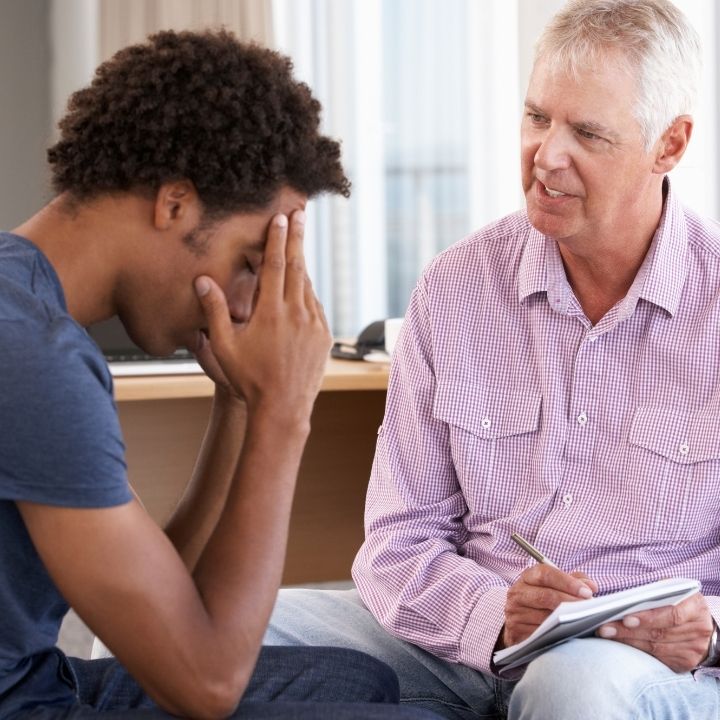
Therapy plays a crucial role in helping athletes recover from eating disorders by addressing the deep emotional and cognitive patterns driving disordered behaviors. Through individualized care, athletes can rebuild self-trust, manage perfectionism, and create lasting balance between mental and physical well-being.
Key therapeutic approaches include:
- Cognitive-Behavioral Therapy (CBT): Helps athletes identify and reframe unhelpful thoughts about food, body image, and performance, promoting healthier coping skills and self-awareness.
- Internal Family Systems (IFS): Encourages compassion toward inner “parts” that seek control or perfection, helping athletes integrate emotions and reduce inner conflict.
- Family Therapy: Involves loved ones to strengthen communication, understanding, and emotional support throughout the recovery process.
- Mindfulness-Based Therapy: Teaches athletes to stay present, reduce anxiety, and reconnect with their bodies without judgment.
With consistent counseling, athletes not only heal but rediscover confidence, resilience, and a healthier relationship with their sport.
Role of Families and Support Systems

Family and loved ones are essential pillars of support throughout an athlete’s recovery journey. Compassionate communication, encouragement, and collaboration with clinical teams strengthen the athlete’s sense of security and motivation. Families educated about eating disorders can recognize struggles early and provide consistent, empathetic care aligned with treatment goals. This network creates a holistic environment conducive to healing.
Tips for Athletes: Practical Daily Strategies

Athletes can embrace mindful eating, setting realistic goals for performance and body image, and managing stress without relying on food control. Developing routines that incorporate self-compassion and seeking professional help fosters resilience. These practical habits support ongoing recovery while enhancing athletic potential.
1. Mindful Eating & Nourishment as a Practice
View food as nourishment for strength, focus, and emotional stability rather than a number to control. Eat attentively, listening to hunger and fullness cues without guilt. Prioritize nutrient-dense meals—lean proteins, whole grains, fruits, vegetables, and healthy fats, to restore energy, balance hormones, and support long-term performance and recovery.
2. Set Realistic Goals for Performance & Body Image
Define success by consistency, strength, and joy in movement instead of numbers or aesthetics. Establish achievable goals that celebrate effort and recovery equally. When progress feels slow, remind yourself that health, rest, and mental peace are vital parts of athletic excellence, not distractions from it.
3. Develop Stress-Management Routines Beyond Food Control
Training stress can easily blend with emotional pressure. Rather than turning to restriction or overtraining, create calming daily rituals, mindful breathing, journaling, gentle stretching, or time outdoors. These practices help manage anxiety, protect mental health, and allow both your body and mind to recharge sustainably.
4. Cultivate Self-Compassion and a Positive Body Relationship
Your body deserves kindness for what it enables, not criticism for how it looks. Practice gratitude for strength, flexibility, and resilience. When negative thoughts arise, reframe them gently: progress is built through patience, not punishment. Self-compassion nurtures motivation and builds lasting confidence beyond appearance.
5. Seek Professional Support and Build a Recovery-Focused Team
Recovery thrives through community, not isolation. Collaborate with a sports-focused therapist, dietitian, or physician who understands athlete life. Open communication with coaches or trusted peers can reinforce progress. Seeking help is not weakness, it’s a courageous commitment to longevity, balance, and sustainable athletic performance.
Resources and Where to Get Help

There are several strong national and sport-specific resources available to athletes, coaches and loved ones navigating eating disorders. For instance, National Eating Disorders Association (NEDA) offers free online screening tools, downloadable toolkits for coaches and trainers, and a broad treatment‐referral directory. The National Association of Anorexia Nervosa and Associated Disorders (ANAD) provides peer-support groups, helpline access, and mentorship services at no cost, for anyone struggling with an eating disorder.
For athletes specifically, the UCSD Eating Disorders Center offers dedicated programs for coaches and trainers alongside athletes, assisting with return-to-sport planning and holistic recovery.
Prioritizing Health in Sports
Navigating eating disorders for athletes requires early recognition, compassionate support, and integrated care. By embracing these tips for navigating eating disorders for athletes, athletes and their communities can prioritize health above performance pressures. Together, we can foster environments where all athletes thrive mentally and physically, ensuring that sport remains a source of joy, strength, and well-being.
If you or someone you know is struggling, reach out for compassionate, athlete-focused support that prioritizes both your well-being and performance, contact us today to start your path toward healing, balance, and renewed confidence in both sport and life.
Frequently Asked Questions
What makes athletes more vulnerable to eating disorders?
Athletes often face high performance and body-image pressures, weight-sensitive sports, and perfectionistic tendencies, all of which elevate risk.In this context, restricting eating or excessive training can appear as discipline, making early signs harder to detect without awareness.
Can an athlete still perform while recovering from an eating disorder?
Yes, recovery and athletic performance can align, though timing and expectations must adapt.
Medical and therapeutic teams emphasise restoring health first, then gradually re-introducing training safely. Returning too early can increase risk of relapse or injury, so pacing is key.
How should coaches and teammates approach concerns about disordered eating?
Approach with care and privacy. Express support, focus on health not body size, and avoid judging. Encourage the athlete to speak with a specialist, reassure them they’re valued beyond performance, and maintain open dialogue.
What role does nutrition play in eating-disorder recovery for athletes?
Nutrition is central: athletes need adequate energy, nutrients and recovery patterns — not just performance-focused calories. Guidance from a sports-specific dietitian helps rebuild trust with food, regulate metabolism, and support physical resilience.
Which sports are at higher risk for eating disorders?
Research shows higher risk in “lean” sports (e.g., gymnastics, wrestling, figure skating, long-distance running) and weight-class athletics. The combination of body-shape ideals, intense training, and diet pressure makes early prevention and monitoring especially important in these settings.