


Getting injured doesn’t just hurt your body, it messes with your head. Navigating mental health challenges from sports injuries means more than just rehab. It’s about loss, fear, and identity.
As someone who’s worked with athletes post-injury and lived through that painful pause in play, I know what it feels like to be stuck between “what was” and “what’s next.”
If you’re feeling lost after a sports injury, mentally, emotionally, you’re not alone. And yes, there’s a way through it. Let’s talk honestly about what’s really going on inside, and how you can get back to feeling like yourself again.
When the Injury Hits: The Emotional Impact of Being Sidelined

The Mental Whiplash Most People Don’t Expect
One moment, you’re moving freely. The next, you’re facing weeks, maybe months of rest, restriction, and routines that aren’t yours. This sudden shift is more than inconvenient. It’s disorienting.
The transition from structure to silence creates emotional whiplash. You’re no longer the athlete who gets up for morning practices or pre-game rituals. You’re someone watching from the bench, unsure where you now fit.
That moment of pause can bring up unexpected questions:
- Who am I now that I’m not competing?
- Will I fall behind while others move forward?
- What if I don’t come back the same?
These are not overreactions. They’re natural responses to a real psychological disruption.
It’s Okay to Grieve (And You Should)
Most athletes associate grief with losing a championship, or worse, losing the game altogether. But injury creates a quieter kind of loss: the loss of routine, identity, momentum.
And yes, grief shows up here too. You may feel it as anger, frustration, numbness, or sadness. That’s not you being dramatic, that’s you being human.
Acknowledge it. Give it space. Because only when you let yourself grieve can you start to recover, not just your body, but your sense of self.
The Quiet Symptoms: How Mental Health Shows Up Post-Injury
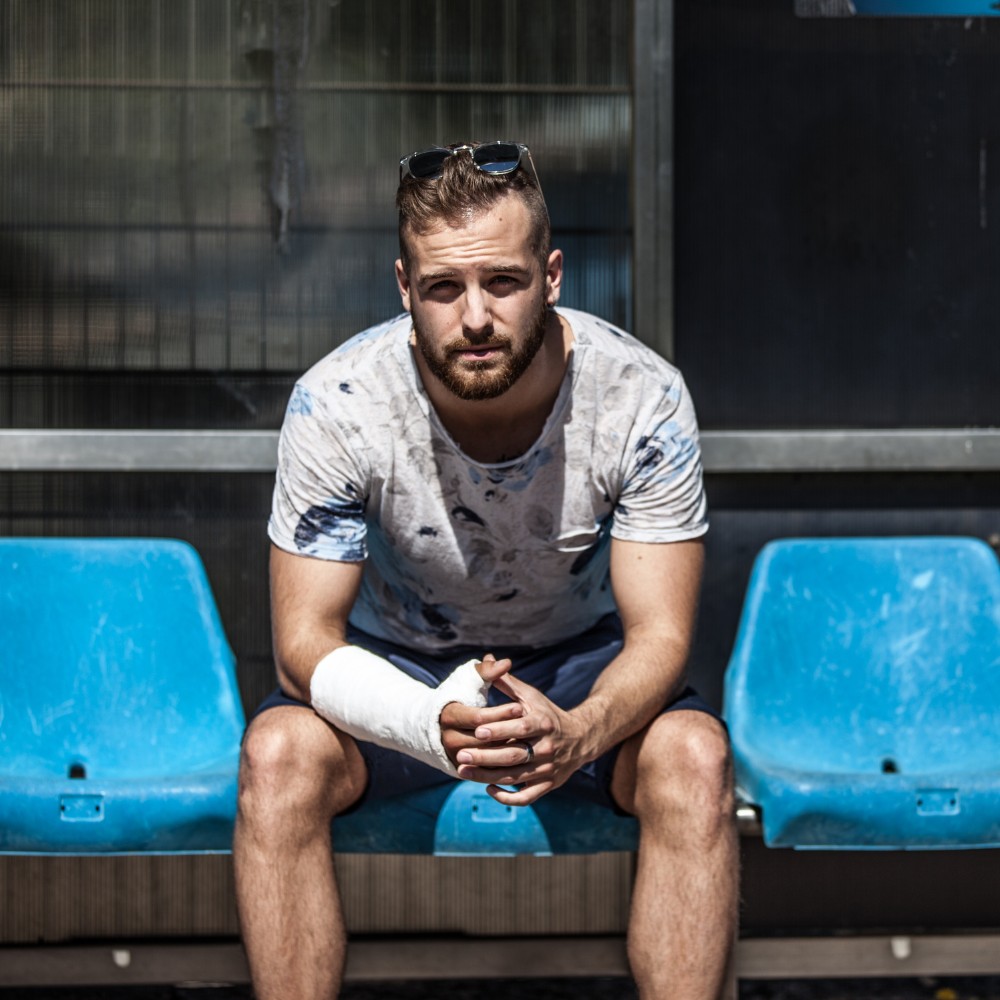
Spot the Warning Signs
Mental health symptoms after injury don’t always announce themselves loudly. They tend to creep in slowly. Pay attention to these quiet signals:
- You’re more irritable than usual
- Sleep becomes difficult or too frequent
- You isolate from teammates, friends, or coaches
- Motivation dips, even outside of sport
- You stop enjoying things you normally love
These signs aren’t “just part of being injured.” They could indicate something deeper, like adjustment disorder, depression, or anxiety.
Identifying symptoms early gives you a better chance at addressing them before they intensify.
Why Injuries Can Trigger Depression or Anxiety
Physical injury doesn’t happen in a vacuum. When you stop training, your body produces less serotonin and endorphins, the very hormones that help stabilize mood.
Add the stress of losing control, pressure to return, and time away from your athletic community, and it’s clear why mental health can suffer.
A study from the National Library of Medicine found that sports injuries, especially those involving head trauma, can significantly increase the risk of depression and anxiety by disrupting brain function, reducing physical activity, and removing athletes from their social support systems.
Injuries don’t just break down muscle or bone, they disrupt your mental resilience. And that needs healing too.
Support Systems: Who Should Be on Your Mental Health Team
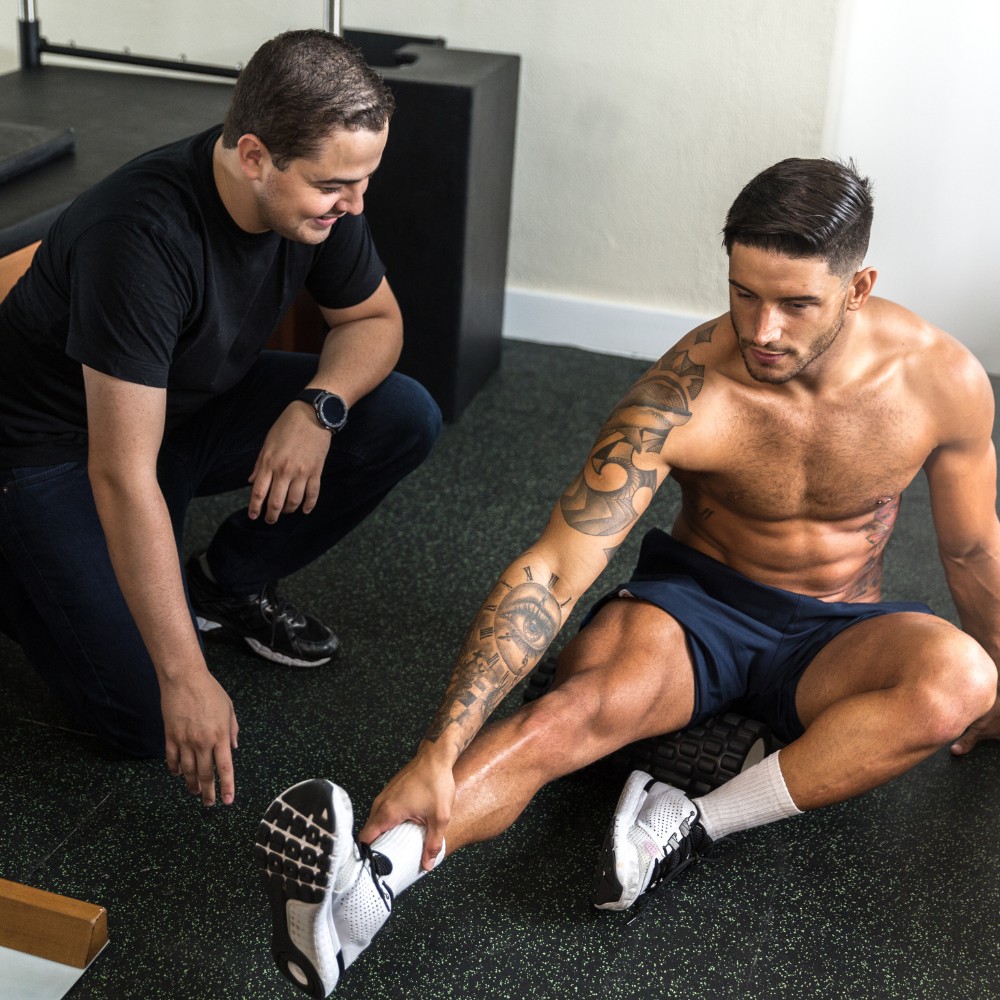
You’re Not Supposed to Do This Alone
Too many athletes try to push through injury in isolation. That works for short-term pain, but not for long-term healing.
A support system can include:
- Licensed therapist – ideally one trained for individual therapy, working with athletes or trauma
- Rehabilitation specialist or sports psychologist – to keep recovery on track
- Trusted teammates, family, or mentor – someone to check in without judgment
No one needs to carry this weight alone. Leaning on others isn’t a sign of failure. It’s part of a sustainable recovery.
What to Say When Asking for Help
If you’re unsure how to start that conversation, try these simple openers:
- “I don’t feel like myself lately since the injury.”
- “I’m having a harder time than I expected mentally.”
- “Can we talk about what I’ve been feeling lately?”
You don’t need a diagnosis or a plan. You just need to say something. Silence makes things worse. Speaking makes things clearer.
Building a New Routine: Rehab for the Mind and Body

Create a Mental Health Game Plan
Routine is essential, especially when you’re out of your normal athletic rhythm. You’re used to structured practices, nutrition plans, performance goals. Don’t let recovery feel aimless.
Here’s a basic weekly plan:
- Set one rehab goal per day – even something simple like stretching
- Use a daily journal – track pain, mood, and what you’re grateful for
- Schedule time for mindfulness – apps like Calm or Headspace help
- Book a weekly check-in – with a mental health pro or trusted friend
Consistency helps you feel in control, even when your body isn’t at 100%.
Stay Connected to Your Sport
Just because you’re not competing doesn’t mean you’re no longer part of the team.
Stay engaged by:
- Attending practices or film sessions
- Helping coach or mentor younger players
- Taking notes for injured teammates
- Sharing your progress updates with peers
Try to stay involved with your team and your sport, even if you can’t play. That connection plays a bigger role in your mental health than most people realize. In fact, the psychological strain of being removed from your sport can be just as impactful as the physical injury itself.
A Nebraska Medicine report explains that sports injuries often separate athletes from their identity and social circles—two major factors that can increase the risk of anxiety and depression during recovery.
You are more than your stats or your starting position. Stay visible, stay involved, and stay reminded that you still belong.
The Comeback Mindset: Mental Conditioning During Recovery
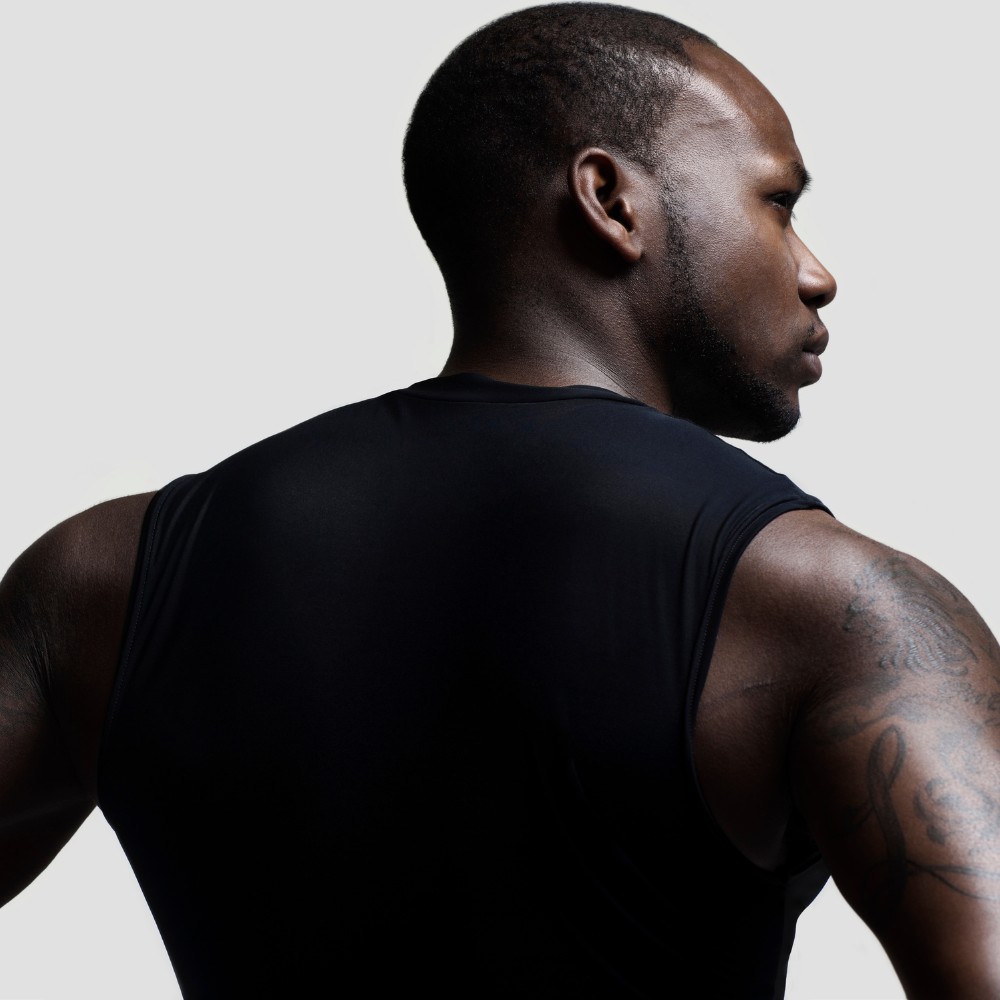
Visualization, Affirmation, and Confidence Work
Rebuilding confidence takes effort. The body can recover faster than the mind if you’re not careful. Use these mental tools intentionally:
- Visualization: Imagine completing successful rehab drills. See yourself crossing that finish line or scoring again.
- Affirmation: Speak belief out loud, “I’m making progress daily,” “I’m healing with strength.”
- Self-Talk Audit: Catch inner negative chatter and reframe it.
What you say to yourself daily becomes your default mindset. Make it supportive.
Tracking Progress Without Comparing
Social media. Teammates. Former game footage. All these make comparison way too easy.
Resist it.
Instead, use personal data:
- Write down what you did each day
- Highlight energy levels, mood, small wins
- Celebrate minor gains (like climbing stairs pain-free)
Healing doesn’t look the same for everyone. Your progress is real, even if it’s not linear.
Conclusion
Injury changes more than just your ability to move, it shakes your identity, your confidence, and sometimes your entire sense of purpose. But navigating mental health challenges from sports injuries is a journey that becomes manageable, when you face it honestly, and when you’re supported.
You’re not weak for feeling lost. You’re not dramatic for feeling sad. You’re a human athlete going through something tough. And healing starts by admitting that.
Need someone to walk with you through recovery? We’re here to help.
Contact us to start building your personalized recovery plan
Frequently Asked Questions
What mental health conditions are common after a sports injury?
Depression, anxiety, and adjustment disorders are most common. They can develop due to hormonal shifts, sudden lifestyle changes, and the emotional loss of athletic identity. Early awareness leads to better recovery.
Can therapy really help injured athletes?
Yes. A trained therapist can help athletes unpack frustration, fear, and self-worth issues. Therapy provides tools to manage emotions and develop a mindset for recovery.
How long does mental recovery take after a sports injury?
Recovery time varies. Some athletes begin to feel emotionally stable within weeks, while others need several months. Regular mental health check-ins speed the process and prevent setbacks.
What can teammates do to support an injured player?
The best support is presence. Send messages, invite them to team activities, and make space for conversations that aren’t about sport. Just showing you care can mean everything.