
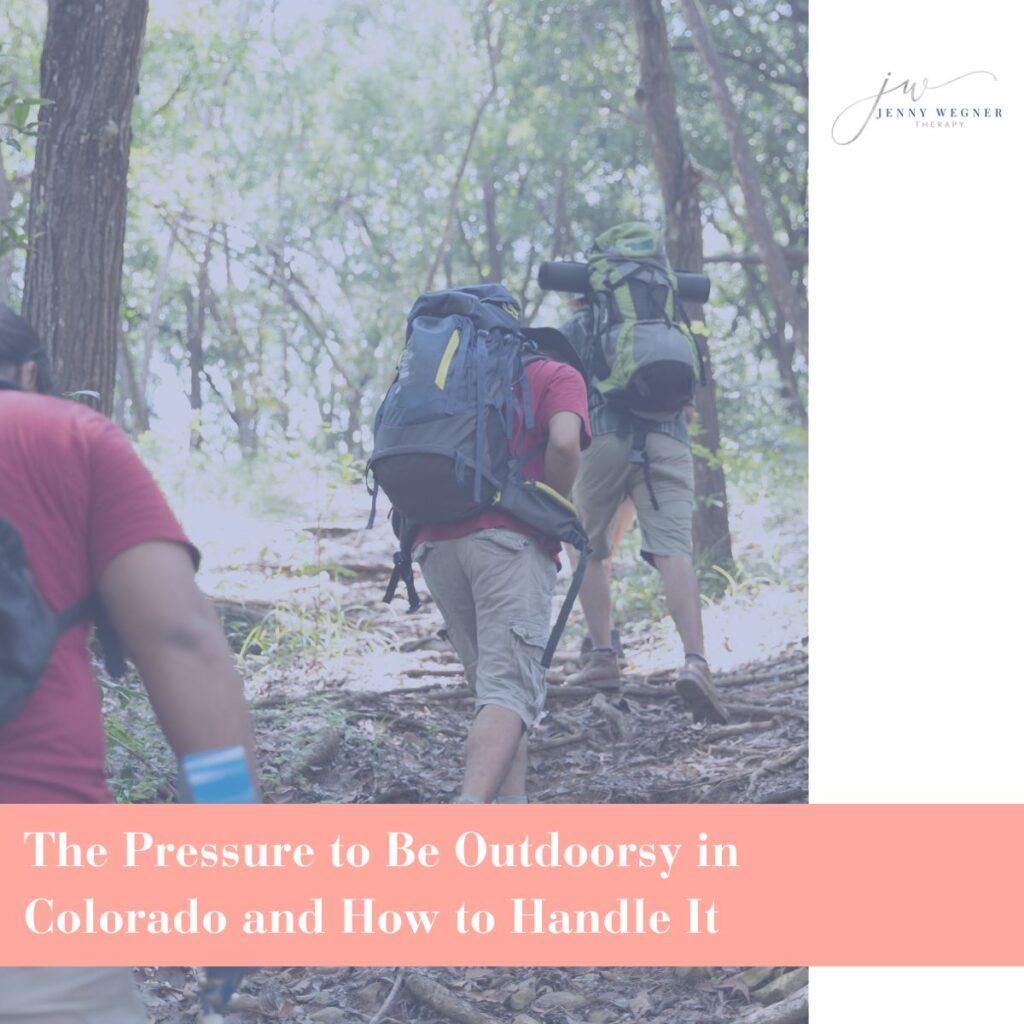
The pressure to be outdoorsy in Colorado hits differently. Within days of moving here, I felt it: everyone hikes, bikes, climbs, skis, or at least says they do. If you don’t spend your weekends on a trail, you feel like a misfit.
I live in Colorado and I’m not anti-nature, but I’m also not up at 5 a.m. chasing sunrise hikes. And for years, I felt like I had to apologize for that.
Let’s be real: the social expectation to “go outside” in Colorado can be overwhelming. In this post, I’ll break down where that pressure comes from, what it does to your self-image, and how to build your own Colorado lifestyle, on your own terms.
Why Is Colorado So Outdoors-Focused?
The Cultural Branding of Colorado
Colorado’s been marketed as paradise for nature lovers, and it worked. From state-sponsored tourism campaigns to influencer travel guides, the message is clear: if you’re in Colorado, you should be outside.
According to the Colorado Tourism Office, over 90 million people visited in 2023, most with plans to hike, ski, or bike. That energy bleeds into everyday life. Even locals post more 14er selfies than brunch photos. This isn’t just pride, it’s part of the identity.
How Outdoor Enthusiasm Became a Social Standard
Unlike other states, being “active” here isn’t just a hobby, it’s social currency. In other places, saying, “I don’t hike” ends a conversation. In Colorado? It starts one. You’ll find yourself explaining, defending, even joking to make it less awkward.
Dating apps? Everyone’s holding skis. Networking events? Everyone’s just back from Moab. It’s exhausting, and it makes people who don’t share those interests feel small.
The Social Pressure to Perform ‘Outdoorsy‘
Feeling Judged for Staying In
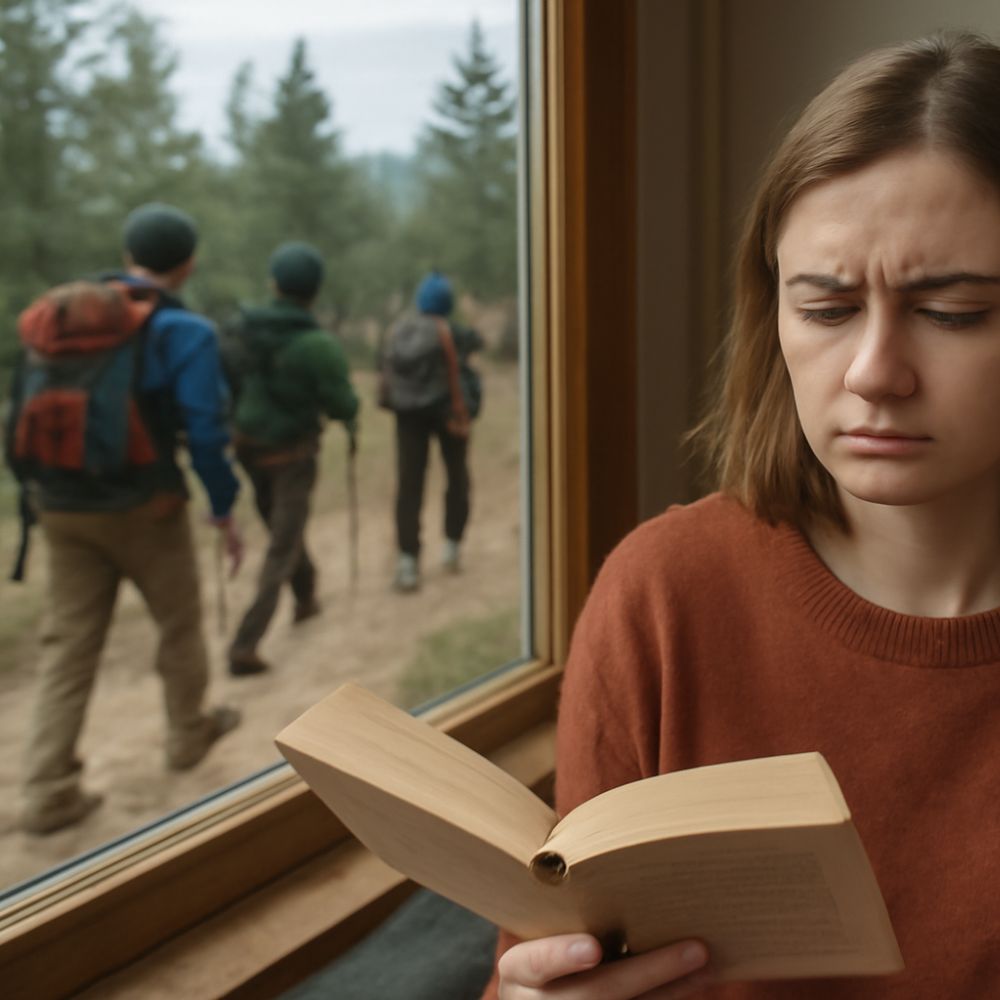
When you say no to a group hike, it’s rarely just “no.” You get side-eyes, teasing, or the classic “You’ll love it once you’re out there.” And maybe you would. But maybe not. And that’s okay.
As a transplant, I used to invent excuses to skip trips, just to avoid looking lazy. Even introverts feel the guilt. There’s a quiet fear of being labeled boring in a state full of adrenaline junkies.
The “Weekend Warrior” Lifestyle
Colorado weekends are almost a competition: who climbed the tallest, skied the hardest, or drove the farthest. You hear coworkers bragging about sunrise ascents and sleeping in SUVs at trailheads. It’s impressive, but also alienating if that’s not your scene.
Keeping up isn’t just physically tiring, it’s mentally draining. And for those with chronic illnesses, disabilities, or simply different interests, it becomes a recurring feeling of not enough.
Not Outdoorsy? You’re Not Alone

Invisible Coloradans: Quiet Voices in an Outdoorsy State
Here’s something you don’t hear often: not everyone in Colorado is chasing peaks or skiing black diamonds. According to the Colorado Health Institute, 84.2% of adults said they took part in some form of leisure-time physical activity in the past month. That leaves about 16% who didn’t get active at all, even with trails, parks, and open space all around them.
They exist, but they’re quiet. Why? Because they feel out of place. The loudest voices are the ones posting trail maps and GoPro videos, not the ones curled up with a book in a Denver apartment.
Stories from Locals Who Opt Out
- Maya, 37, moved to Boulder for a job but never liked trail life. “I feel like a fraud at brunch when everyone’s comparing ski passes.”
- Tim, a Denver native, says he’s “been to Red Rocks… for concerts.” That’s it.
- Rachel, a teacher in Aurora, says she prefers indoor pottery classes. “But I leave that off my dating profile, people lose interest.”
These aren’t lazy people. They just find joy elsewhere. And they belong here, too.
Where the Pressure Comes From
Marketing and Social Currency
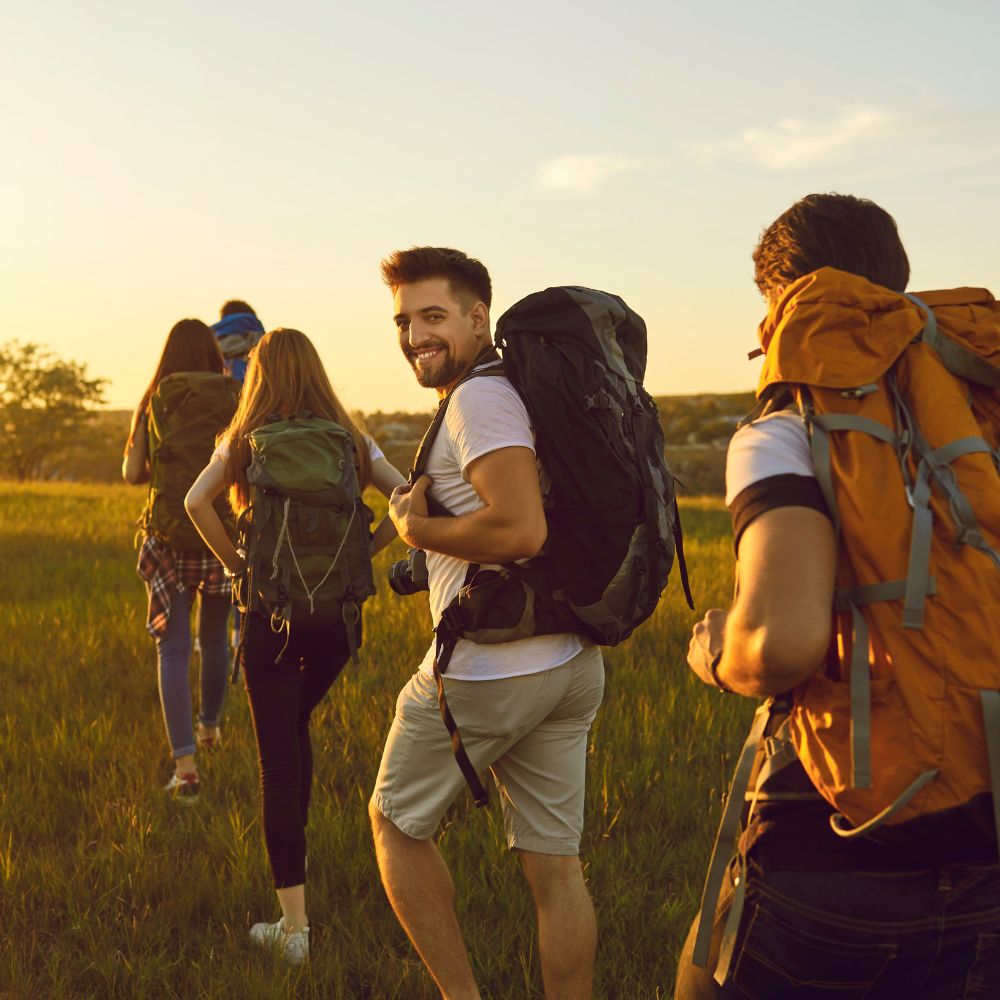
Outdoor gear companies, Patagonia, REI, even Coors Light, push a polished version of outdoor life. Crisp mountains, diverse groups, everyone smiling mid-hike. It’s beautiful. But it’s also a brand.
Social capital here is tied to being “up for anything,” especially in nature. The more trail dust on your Subaru, the cooler you are. That’s no accident, it’s strategic marketing and social reinforcement.
Dating Culture and the Outdoorsy Litmus Test
Swipe through dating apps in Colorado and you’ll see it: “Love to hike,” “Ski pass in hand,” or “Looking for a trail buddy.” These aren’t just fun facts, they’re filters. If you don’t hike, you’re often dismissed before a hello.
It makes outdoor activity feel like a social requirement, not a choice. And if your idea of fun is coffee and a museum? Good luck finding a match who doesn’t think you’re “boring.”
What If You’re Not Into Hiking (or Skiing)?

Real Alternatives That Still Feel Local
You can love Colorado without strapping on boots every weekend. Some authentic, low-impact favorites:
- Breweries in Fort Collins or RiNo
- Farmer’s markets in Boulder or Colorado Springs
- Outdoor patios, not trails
- Art walks, live music, and film festivals
- Hot springs, like Strawberry Park, yes, lounging is outdoorsy too
Colorado isn’t one-size-fits-all. You can be local without being a summit-chaser.
Making Peace with Being Different
Instead of apologizing for who you aren’t, lean into who you are. Practice saying, “That’s not really my thing” without guilt. You’re not less Colorado because you don’t chase powder days.
Start small: skip that group hike and invite friends to brunch instead. Say yes to your pace of life. You’ll feel lighter. Happier. More you.
Building Belonging Without the Trail Talk

Redefining Connection Beyond Outdoor Activities
You don’t need shared summit photos to feel connected. True community in Colorado can grow from:
- Conversations that go deeper than trail reviews
- Regular meetups over coffee, crafts, or music
- Showing up, not showing off, for people you care about
- Small talk at your local bookstore, brewery, or class
How to Find Your People Without Faking It
When you stop trying to “pass” as outdoorsy, you make room for more honest connections. Try:
- Joining interest-based groups (writing, gaming, crafting, food)
- Attending local art events, open mics, or creative workshops
- Hosting something small: a game night, a potluck, a Sunday brunch
- Connecting through work, mutual friends, or shared routines
Making Room for Rest in a Go-Go Culture
In a state known for high-altitude hustle, rest is almost rebellious. And yet, rest is vital. It doesn’t mean disengaging; it means showing up fully, when it actually counts. There’s power in saying no to the hike and yes to slowing down.
Reframing What It Means to Be a Coloradan
Rewriting the Narrative
Being outdoorsy doesn’t have to mean epic treks. It can mean:
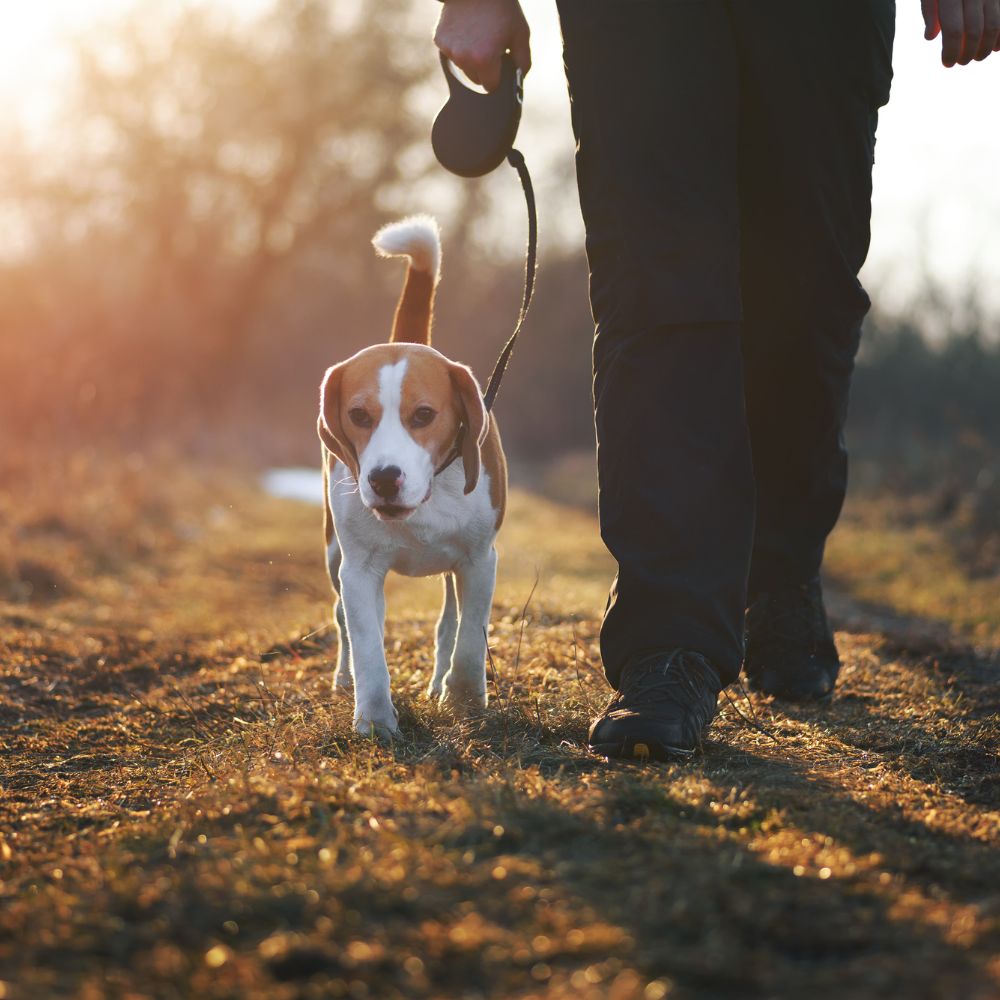
- Walking your dog
- Gardening
- Hammock naps in City Park
- Watching storms roll in from your porch
Redefine it. Reclaim it. It doesn’t need to involve elevation gain to count.
Owning Your Version of Belonging
You do belong here, even if you don’t ski or climb. Here’s a line that helped me:
“I live in Colorado because I love it, not because I want to conquer it.”
Say that next time you feel the pressure. Watch how it softens the room. People get it, even if they won’t admit it first.
Final Thoughts
Feeling like you don’t fit into Colorado’s outdoorsy mold doesn’t mean you’re doing it wrong, it just means you’re doing it your way. Some people come here for the quiet neighborhoods, the local arts, or simply to enjoy the view from their balcony. That’s just as real as any mountain summit.
You don’t need to hike a 14er to feel connected. You just need to live in a way that feels true to you, and that’s exactly what this space supports.
If you’re ready to make space for your kind of life here, reach out today, we’re here to help.
Frequently Asked Questions
Why do I feel pressure to be outdoorsy in Colorado?
Colorado’s culture heavily promotes outdoor adventure, especially hiking, skiing, and biking. Social media, tourism marketing, and peer circles reinforce the idea that being active outdoors is the “right” way to live here, even though many residents don’t identify that way.
Can I live in Colorado and not be outdoorsy?
Absolutely. Many locals prefer arts, music, food, or urban experiences over trail life. You can find community in book clubs, coffeehouses, creative meetups, and local markets. Your version of Colorado life doesn’t have to involve hiking boots.
What are some introvert-friendly activities in Colorado?
Try visiting local libraries, taking creative workshops, attending small gallery events, or exploring local cafés and indie theaters. You can enjoy Colorado’s lifestyle without crowds or strenuous activity. Community exists in quiet corners, too.
How can I handle FOMO when friends are always outdoors?
Acknowledge the feeling, then remind yourself of your own priorities. Suggest low-key alternatives like brunch or board games. It’s okay to skip what doesn’t serve you. Real friendships can thrive with mutual respect for different interests.
Are there social groups in Colorado that aren’t outdoors-focused?
Yes. Search Meetup for writing circles, art groups, foodie clubs, or even gaming nights. Facebook groups like “Colorado Introverts” or “Denver Makers” are full of people looking for connection outside the trail system.